Release management for pattern designers

Test it properly, correct it once, and tell every buyer who already has the file.

StitchPattern holds the whole release: the tester round, the notes that come back, the numbered errata you publish and the email that reaches the 3,400 people who bought version 1.0 in March. You stop rebuilding that chain by hand for every single pattern.

  • 1,180 patterns under version control
  • 96% of errata emails delivered on first send
  • One evening to import a back catalog
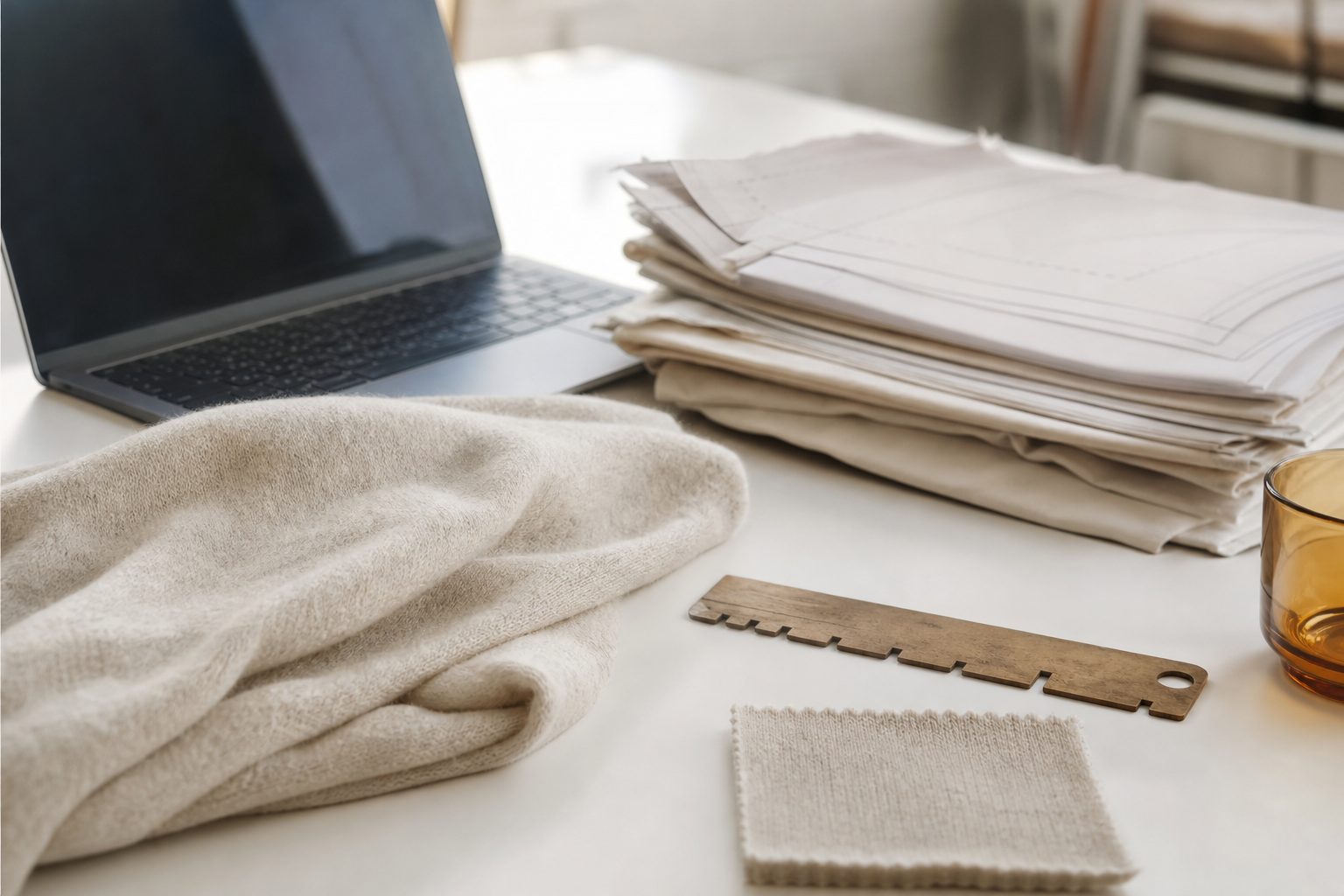
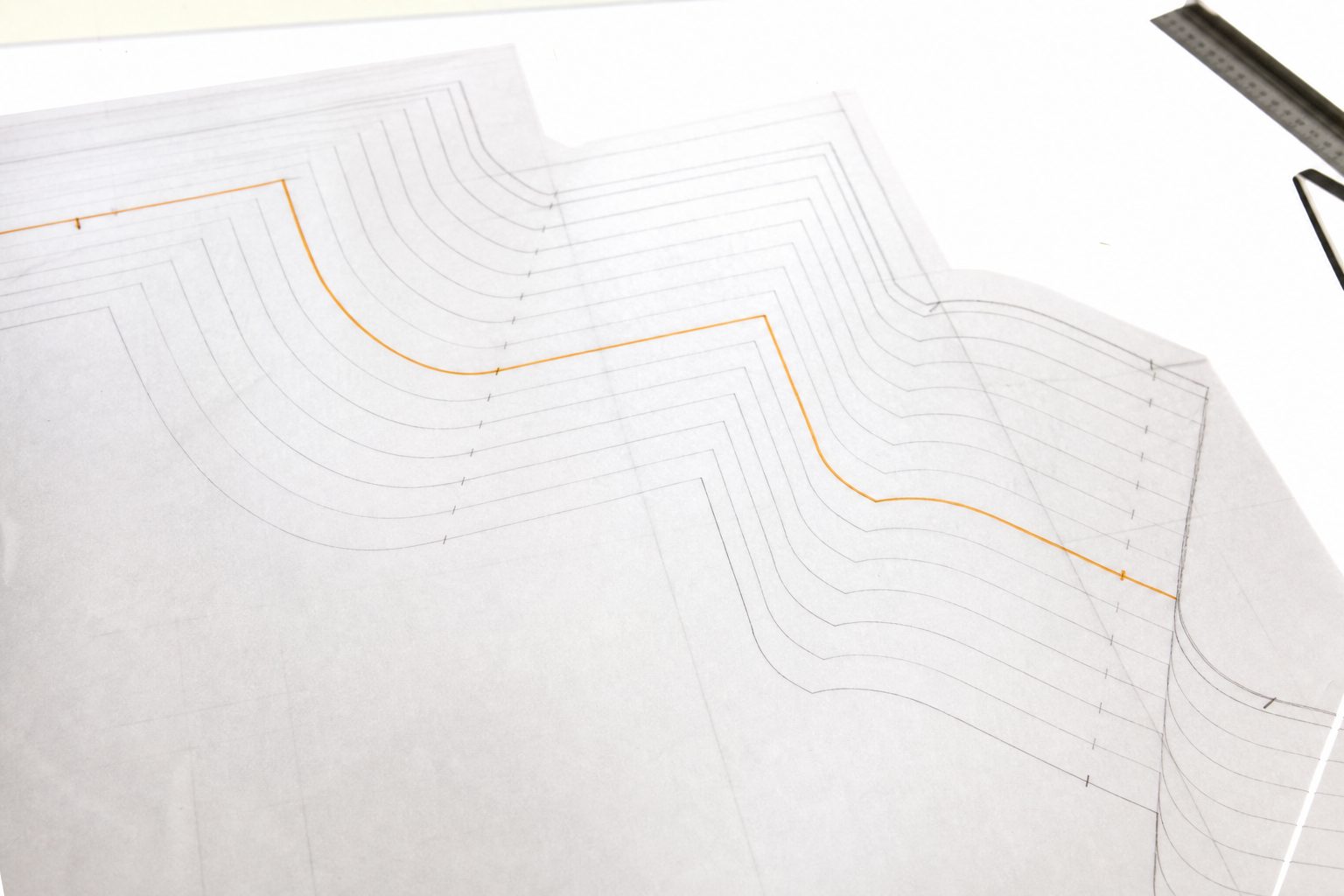
A pattern designer marking a paper sewing pattern with a ruler on a large drafting table beside a laptop
Draft, grade, test, correct, notify. One record for all five.

The part nobody sees

The corrections outlive the pattern, and they live in seven places

You drafted it, graded it across eleven sizes, wrote the construction order twice and shot the samples. Then the pattern went out, and the real work started.

The tester round lives in a group thread

Twenty testers, four hundred comments, photos of a collar that does not sit flat. Nobody says which PDF they printed, and the useful note is under a recipe someone shared on a Tuesday.

About 6 hours per release
A chart error reaches a thousand knitters

Row 43 of the yoke chart repeats a decrease. By the time the third message arrives you have already sold the pattern to 1,100 people and you have no clean way to reach them.

$740 in refunds, one release

Nobody knows which file is current

There is v2 final, v2 final REAL, and the copy your shop has been serving since February. Buyers open a support ticket because their page 9 does not match the tutorial.

11 tickets per week

Reviews carry the error forever

One two star review about a misprinted cutting layout keeps selling against you for two years, long after the layout was fixed and reissued in the corrected file.

Lost sales you never see

How it works

Four moves from first draft to a corrected file in every buyer's inbox

The flow follows the way you already release. It just refuses to forget anything along the way.

  1. Open the release and load the draft

    Upload the PDF, name the sizes, and set the print formats you offer: US Letter, A4, A0 copyshop, projector file. Every later version keeps this record, so the history of a pattern never starts over.

  2. Run the tester round with real structure

    Invite testers by email, assign the sizes you need covered, and give each one a deadline. Their notes come back tied to a page, a size and a step number, with photos attached to the note instead of floating in a feed.

  3. Turn accepted notes into numbered errata

    Accept, merge or decline each note. Accepted ones become errata entries with a page reference and a plain sentence of what changed. StitchPattern writes the change log for you and stamps the new version number on the file.

  4. Push the corrected file to everyone who bought

    One button sends the new PDF and the errata note to every past buyer, across every shop you sell through. They get a fresh download link, and you get a record of who opened it and who still has the old copy.

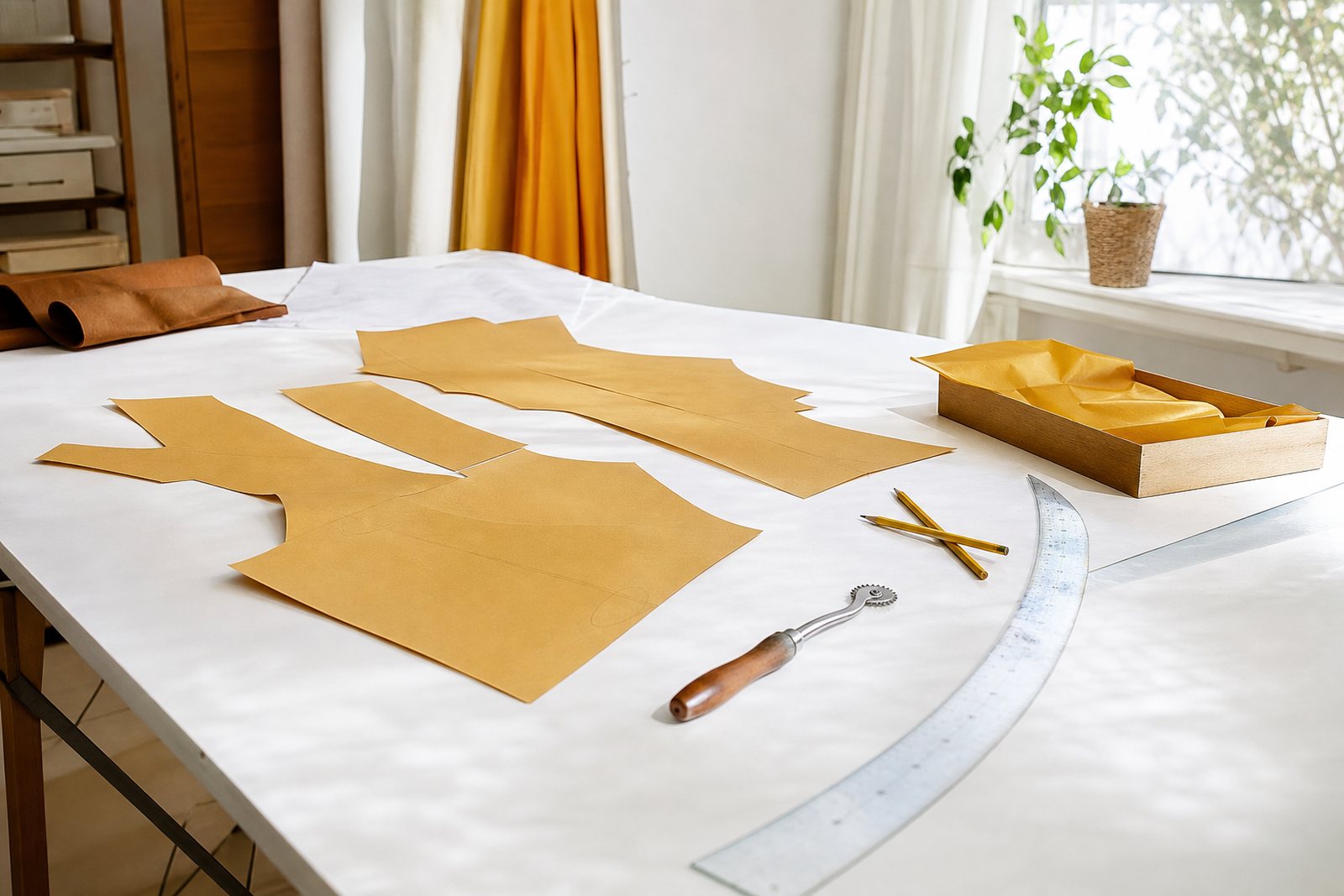
Paper pattern pieces, a curved ruler, a tracing wheel and pencils laid out on a bright sewing studio drafting table
Version 1.3 of a raglan pullover: four accepted tester notes, two chart corrections, one reissue to 2,140 buyers.

What is inside

Built around notches, sizes, versions and buyers

Six things the software does that a shared folder and a spreadsheet have never managed to do together.

Tester rounds with size coverage

See at a glance that size 2X has three testers and size 6 has none, before you close the round. Deadlines, reminders and a private note field per tester keep the round moving without you chasing anyone by direct message.

Numbered errata that read like sentences

Each correction gets a number, a page reference, a size range and one clear line of what to do instead. Buyers get a readable errata sheet, not a diff, and you get a permanent record of what changed and when.

Automatic notification of past buyers

Every buyer of every earlier version is on the list already, pulled in from your shops. Send the reissue in one action, with a message you wrote, and watch the open and download counts fill in over the next few days.

Version history you can defend

Every PDF you ever published stays in the record with its date, its change log and the buyers it went to. When a customer says the file has always been wrong, you can show her exactly what she downloaded and when.

Grading tables that travel with the file

Store the finished measurements and ease per size next to the pattern, in inches and centimeters. When you correct a bust measurement, the size chart in the PDF and the one on your shop page stop disagreeing.

Support answers that write themselves

A shareable pattern page shows the current version, the full errata list and a fresh download link for that buyer. Most support email turns into pasting one link, and yarn shops can print the errata sheet for a class.

Where it fits

It sits behind the shop you already run

StitchPattern does not sell your patterns and does not want to. It holds the release record and keeps your buyers current, wherever the sale happened.

Your storefront stays where it is

Shopify, Payhip, Gumroad, Etsy and Ravelry connect directly, and a CSV import covers craft fairs, wholesale invoices and the pattern you sold by email in 2023. Sales flow in, the buyer joins the pattern record, and your buyers pay exactly the way they always have.

Your tech editor gets a seat

Editors work inside the release rather than in a marked up PDF sent back and forth. They see the tester notes, the grading table and the current draft together, and their comments become errata entries with one click when you accept them.

Your testers never install anything

Each tester gets a link, opens it on a phone in her sewing room, and files a note against a page and a size in about forty seconds. No account to create, no app, no login she will have forgotten by the third week of the round.

The record itself

What a pattern looks like after two years on the platform

This is the actual shape of a mature record. Nothing here is reconstructed later from memory or from your sent folder.

Versions, in order, with reasons

Version 1.0 published March 2024 to 640 buyers. Version 1.1 in May with two chart corrections in sizes 3X to 6X. Version 1.2 in November after a printer changed the A0 tiling. Version 2.0 this spring, with the projector file added and the seam allowance stated on every piece.

Errata, numbered and readable

Errata 7: page 14, chart B, row 43. The decrease is written twice. Work it once, then continue as charted. Applies to sizes 2 through 6X, corrected in version 1.1. Your buyer reads one sentence and gets back to knitting.

Testers, with what they covered

Twenty two testers across eleven sizes, with the two who finished late and the four who never returned a note flagged for next time. You build your tester bench on evidence instead of on who replied fastest to the call.

Buyers, and what they hold

Of 2,140 buyers, 1,987 have downloaded version 1.1 or later. The remaining 153 get a quiet reminder in ten days. You know the real number instead of hoping the mail went through.

What changes on your side of the table

Numbers from designers who moved a live catalog across

Measured across 214 US pattern businesses in their first six months on the platform, comparing the six months before.

63%

Fewer support emails

Because the buyer already has the corrected file and the errata sheet before she writes to you. The messages that remain are about fit and yarn substitution, which are the ones worth answering.

9 days

Shorter tester rounds

Structured assignments and automatic reminders cut the average round from 31 days to 22. Testers stop waiting on a group thread to tell them what to do next, and you stop reading four hundred comments twice.

4.6x

More reissues actually sent

When notifying past buyers takes one click instead of an afternoon in a mail tool, corrections go out. Designers on StitchPattern publish an average of 4.6 times more errata reissues than they did before.

$1,940

Refunds avoided per year

The median saving for a designer selling around 500 PDFs a month. Most of it comes from catching grading errors in the large sizes during the tester round instead of after the launch email goes out.

Designers using it every week

Three designers, three very different catalogs

I release four garment patterns a year and each one goes to twenty two testers. Before, I read every note twice and still missed things. Now I open the round, see that the note about the sleeve cap came from three people in size 3X, and I know exactly what to redraft. The last release went out with two errata instead of nine.

Marisol TrevinoPattern designer and owner, Ridgeline Drafting, Austin, Texas

The reissue button is the whole reason I pay. I found a repeated decrease on row 43 of a yoke chart, fixed it in an hour, and 2,140 knitters had the corrected file that evening with a note explaining the row. Two people wrote back to say thank you. Nobody asked for a refund, which used to be the normal outcome.

Deborah KaplanKnitwear designer, Foxglove Knits, Portland, Maine

We keep 96 patterns live and two of us maintain them. Version history saved a dispute with a wholesale account last spring: I pulled up the exact file they were sent in 2024, with the date and the errata attached. That took ninety seconds. It would have taken me a day of digging through email before.

Angela WhitcombStudio director, Cross Creek Pattern Co., Asheville, North Carolina
214US pattern businesses running releases on StitchPattern
486,000corrected pattern files delivered to past buyers
22 daysaverage length of a tester round, start to close

Pricing

Priced against your catalog, not against your buyer list

Notifying eleven thousand buyers costs the same as notifying forty. You are never punished for having sold well.

Solo Designer

$19 per month

For one designer with a growing catalog and a couple of releases a year.

  • Up to 12 live patterns
  • 10 active testers at a time
  • Unlimited buyer notifications
  • Numbered errata and change logs
  • Shop connection for one storefront
  • Email support, answered within one business day
Request a walkthrough

Studio

$95 per month

For a studio with several designers, wholesale accounts and a large live catalog.

  • Unlimited live patterns
  • Unlimited testers and rounds
  • Five team seats with roles and permissions
  • Wholesale buyer groups and printable errata sheets
  • Unlimited shop connections and webhooks
  • Priority support with a named contact
  • Guided catalog migration in your first month
Request a quote

Every plan is billed monthly in US dollars and can be cancelled at any time from your billing screen. No setup fee, no contract, no charge for the buyers you notify.

Your first two weeks

What the move actually asks of you

Honest about the work involved, because the migration is the only hard part and it happens once.

Day one: one pattern, start to finish

Pick the pattern you know best and load it with its current PDF, its sizes and its errata as they stand today. It takes about forty minutes and it teaches you the whole system, because every other pattern works the same way.

Week one: the buyer lists

Export buyers from each shop and import them against the right pattern. Duplicate addresses merge automatically, and anyone who bought three of your patterns appears once, with all three files attached to her record.

Week two: the next release runs inside it

Open your next tester round in StitchPattern rather than in a group thread. Most designers stop using the old spreadsheet by the second week, not because we asked but because the notes are easier to read.

Ongoing: the catalog maintains itself

Once a pattern is in, it stays in. New buyers arrive from your shop connection, errata accumulate in one readable list, and the only thing you ever do by hand again is decide what the correction should say.

Studio accounts get this migration done with us on a shared screen during the first month, at no extra cost.


Questions designers ask first

Straight answers before you book anything

The Grading Table

The Grading Table: reporting for people who ship patterns

Reporting on the craft, economics and release mechanics of independent sewing and knitting pattern design in the United States.

Read every article in The Grading Table

Book a walkthrough

Bring your messiest pattern and we will version it together

Thirty minutes, screen shared, with one of your own releases open. We import a pattern, load a buyer export, build an errata entry from a note you actually received, and send a test reissue to your own address so you can see what your buyers would get.

  • No slide deck and no sales script, just the software running on your files.
  • You keep whatever we set up during the call, whether you subscribe or not.
  • We answer within one business day, usually the same afternoon.

We reply from a real address, and nothing you send is added to a marketing list. If a form is not your style, send the pattern details and your errata questions direct to jimenezjulien42@gmail.com.